Positioning is leadership: case studies
CEO is a sense-making position. Positioning is a sense-making discipline. Positioning is leadership.
Here are some shortish positioning case studies. They show how I think. They show how positioning can make sense of an organisation for donors, customers, employees, investors, and potential acquisitions.
HUMAN APPEAL: Defining the category on their terms
Human Appeal is the UK’s leading Muslim aid charity. But that position was being eroded. Establishment aid organisations were making aggressive moves into its territory. Launching standalone appeals and slugging it out with Oxfam every time wasn’t going to work. Human Appeal needed a distinctive and defensible market position to make individual campaigns feel part of something bigger and more worthwhile.
I repositioned Human Appeal as a mercy logistics organisation to cement its status as the charity of choice for Muslim donors.
This positioning provides double-barrelled defensibility. It’s based on a USP. And it speaks to Muslim donors in a way that only a Muslim organisation can.
Mercy is a loaded word for Muslim donors. It turns donating from a financial transaction into something more spiritual and noble. It’s a powerful but sensitive concept, and it needs deft handling. It’s a no-go area for non-Muslim charities like Oxfam and ActionAid.
Human Appeal’s USP is that it stays hands-on from receiving donations to delivering aid on the ground in places like Gaza, Yemen, and Sudan. They don’t subcontract to any third parties. They act as stewards of their donors’ mercy. They are experts in the logistics of aid.
The language of logistics is all about urgency, duty of care, and absolute commitment. Adopting those codes allowed Human Appeal to occupy a category-leading position, and to assert that position with a unique voice.
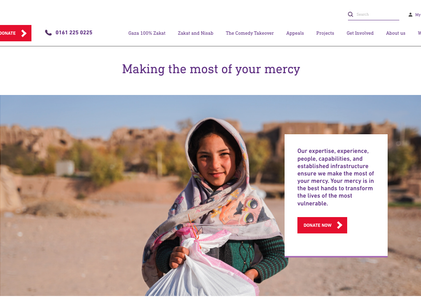
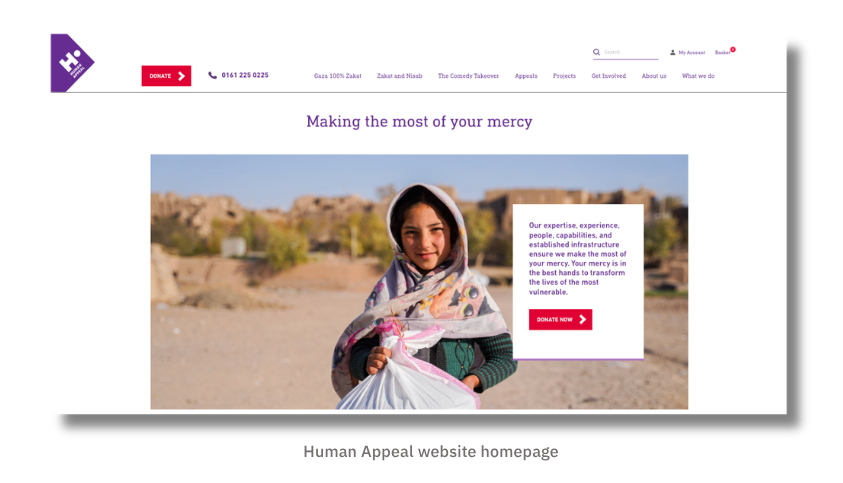
I brought the idea of mercy logistics to life with the line, MAKING THE MOST OF YOUR MERCY.
WATERSTONS LTD: Clarity and conviction for all stakeholders
Waterstons Ltd is a full-service technology company: outsourced IT, cybersecurity, software development, digital transformation. Full-service businesses often struggle with clarity. It’s too easy to come across as a Jack of all trades.
Their CEO had been in post for a few months when she contacted me. She said, “I ask ten people what we do. I get twenty different answers.”
In the short term she needed a clear, crisp elevator pitch that would rally her troops. And she needed to make the shop window work harder. With an eye on the future, she needed a coherent, defensible market position that would appeal to outside investors when the time came.
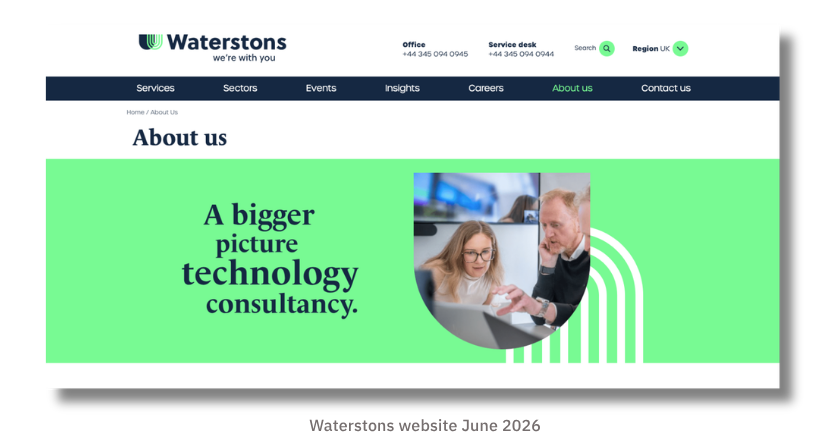
I positioned Waterstons as a bigger picture technology consultancy. This was based on conversations with Waterstons clients. They all talked enthusiastically about getting pragmatic technical advice from Waterstons, which is informed by contextual awareness and a strategic perspective.

I reframed the firm’s full-service offer in in the language of client outcomes rather than Waterstons divisions. CTOs invest in technology to deliver four outcomes: Security, Usability, Functionality, and business Advantage (SUFA). I called this the “CTO hierarchy of needs”. It makes sense of the Waterstons business model in language that prospects can relate to.

These technology leaders came from a range of industries, but they all had a no-nonsense approach. And they were all driven by a profound sense of mission. I developed a tone of voice – refreshingly direct and disarmingly familiar – to make them feel seen.
OPTIMA CONNECT: Work out who you are and do it on purpose
Optima Connect is a data science and data engineering consultancy. It’s a challenger brand in an advisory market dominated by big firms like Deloitte. But it wasn’t acting like a challenger. In fact it was doing a poor job of trying to act like Deloitte. You don’t compete with the big firms by blending in with them, especially when that’s the last thing your clients want.
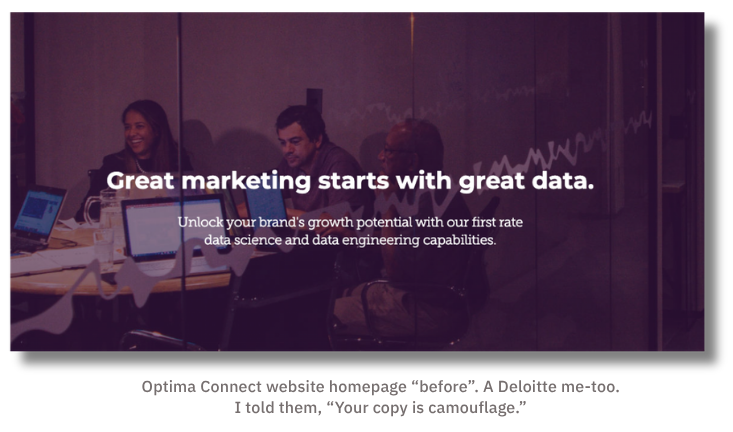
The data science and data engineering market is used to being let down. The technology vendors and the big consulting firms sell a utopian vision of data matching and single customer views, delivered by shiny technology stacks.
The reality is tragically different. It’s almost laughable. I spoke to Optima clients working at the coal face of data project delivery in large banking, retail, and utilities organisations. They shared a litany of frustrations: bloated projects running over time and over budget. Ill-informed projects solving the wrong problems. Projects running out of steam and being dropped. A well-designed data project delivered and deployed is a minor miracle.
Optima Connect is a breath of fresh air: commercially aware, technically brilliant, down-to-earth, pragmatic, and full of integrity. They solve the right problems and get projects over the line.
Optima’s clients painted a consistent and compelling picture of a firm that:
- > Does the right thing.
- > Does things right.
- > Gets things done.
In a market that is too familiar with FRUSTRATION, Optima Connect brings important data projects to FRUITION.
I positioned Optima Connect as a firm of data project “fruitioneers”.
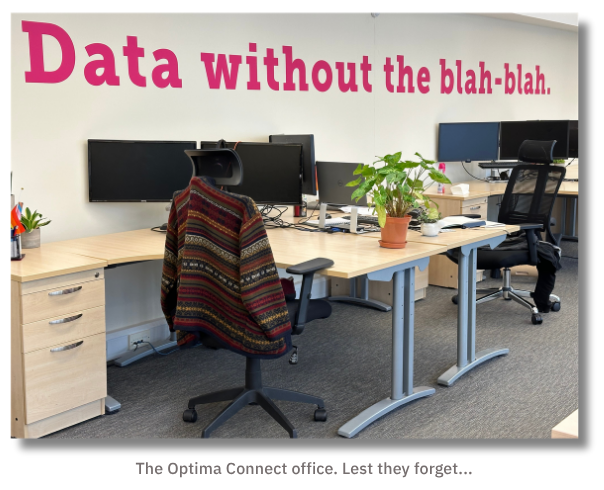
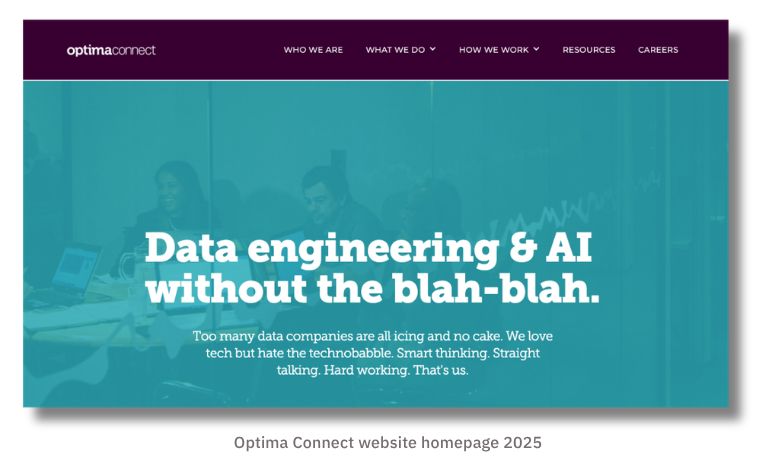
I worked with a copywriter to turn this positioning into an attractive and ownable brand idea that’s nothing like Deloitte: DATA WITHOUT THE BLAH-BLAH.
TRAVEL CONNECT: The business model is the brand
Travel Connect is an Icelandic “house of travel brands”. It specialises in the “inbound” model, which means that its operating companies are based in the countries that its customers want to visit. Each company therefore has deep local knowledge and strong, personal connections with indigenous hotels, guest-houses, tour guides, and attractions.
The biggest company in the group is Nordic Visitor. I positioned them as “like having a friend in your destination”. You deal with the same customer service person from your first conversation to the end of your trip. And they want you to come away loving the country you visit as much as they do.
The Travel Connect business model relies on excellent customer experience and supplier experience at the front end, combined with supreme operational efficiency at the back end. Its brands properly connect their customers with local culture; it’s more than tourism. And they nurture equitable, sustainable relationships with their supply partners; it’s more than business.
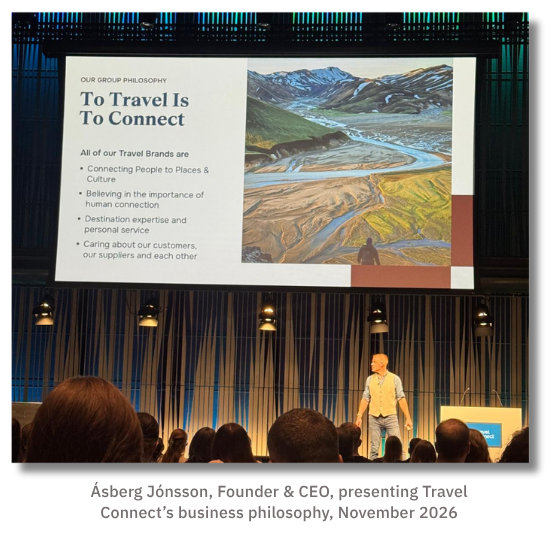
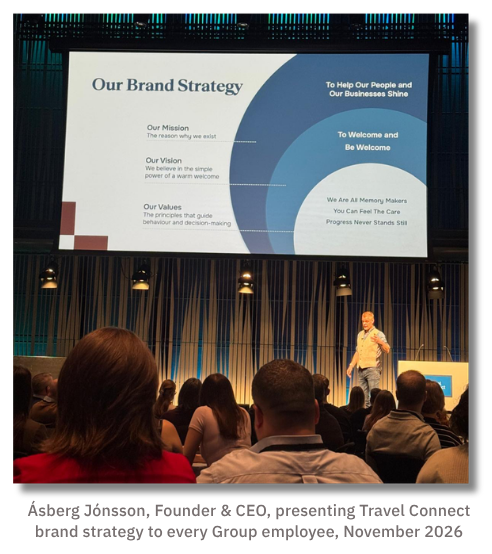
Travel Connect’s business model is the basis of the vision statement that I wrote for them: To welcome and be welcome. Travel Connect exists to welcome customers into the countries out of which it operates. It aims to be a welcome business partner for suppliers. And it aims to be a welcome buyer for potential acquisitions.
As well as the vision, I wrote the Travel Connect mission statement and values based on in-depth interviews with leaders from across the Group. I used the business model to make sense of the Group for its people, for potential investors, and for target acquisitions.